Keeping hay dry, clean, and pest-free is one of the biggest challenges farmers face. Between Australia’s unpredictable weather and the constant threat of rodents, even a small gap in a hay bale’s protection can lead to mould, feed loss, and costly waste.
In this guide, we’ll walk you through some practical ways to cover your haystacks and keep both moisture and pests out, as well as show you which tarps work best to protect your feed long term.
Why Hay Needs Proper Protection
Hay can become highly vulnerable to the elements once it has been baled and stored, just like silage. Moisture ingress can quickly cause mould to grow, leading to nutrient loss and even spontaneous combustion in some severe cases.
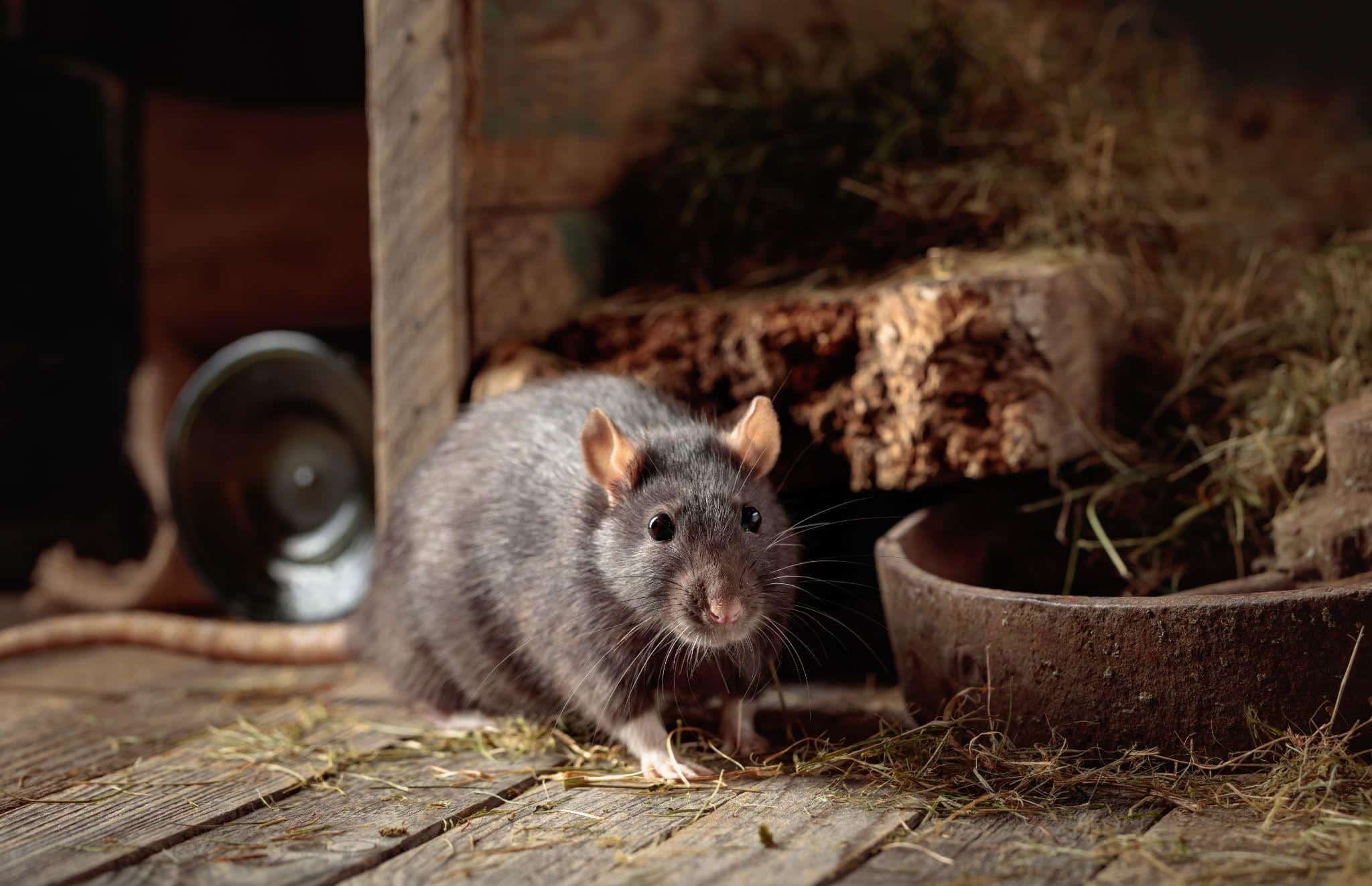
At the same time, rodents like rats and mice are often attracted to haystacks for warmth and shelter, where they can contaminate feed and cause physical damage. In parts of Australia where winters are both cold and wet, for instance, mould and pests can present as very real concurrent threats to hay storage.
Proper tarp coverage creates a protective barrier that will help preserve hay quality and reduce losses.
Preventing Moisture Damage in Hay Stacks
Moisture is easily one of the biggest threats to stored hay reserves. Rain, ground moisture, and condensation can seep into hay stacks if they are not adequately covered.
Waterproof tarps designed for outdoor use prevent water penetration while shedding rain efficiently. For the best results, tarps should be properly secured to fully cover the top and sides of the stack, with enough overhang to direct water away from the base.
Using hay anchor tarps with accessories like ropes with bungee cords and heavy sandbags can help fortify your hay coverage against the most severe winds, rains, and rodents.
How to Keep Rodents Away from Your Hay
Rodents are drawn to loose, poorly covered hay stacks, so you can avoid an infestation by securely and totally covering your reserves both indoors and outdoors. Sagging tarps and gaps make it easy for pests to burrow underneath, and thin materials can easily be chewed through.
By using heavy duty tarps or even extra heavy duty tarps, farmers can minimise the risk of rodents tearing and chewing through their hay. Here are some additional steps you can take to protect your hay from future pest problems.
Secure the area
Rodentproofing is a challenge, but an absolute must-do. Small pests like mice can fit into spaces as small as a coin, while rats can flatten themselves to squeeze through cracks that may be even narrower.
Fully cover your hay stack with a hay tarp and seal all entry points around it. Fortify the seals by using rocks, sandbags, or more tarps, such as an industrial strength tarp, for more security. Some may even find success by using a camouflage tarp where appropriate, potentially hiding the haystack from animals that are less aware.
Sanitise the area
Crucial to an effective rodent control strategy is preventing access to food and water near your hay storage, as well as keeping your structures neat and clean to avoid providing easy shelter. Clean up any food, dirt, and rubbish inside and around structures near your hay to disincentivise rodents from congregating nearby.
Stack wood or other materials a fair distance away from your hay stacks, and use pallets or portable raised garden beds to keep things off the ground. Try to use rodent-proof containers for storing materials such as feed, tack, and tools.
Key fact: Rodents depend on a diet that contains adequate amounts of liquid, so the drier your hay and garden area is, the less likely it is to attract pests!
Safely reduce the pest population
If a rodent problem persists on your property, then some form of population reduction may be required, such as trapping or ethically baiting in accordance with local laws and regulations. But no repellent is truly effective forever, so the best course of action is simply better hay protection, which can be achieved safely by using hay tarps.
ARK Tarps vs Other Materials — Why Quality Matters
Here’s the bottom line: ARK Tarps made with XF Film outperform traditional tarp materials, delivering longer lifespans, better reliability, and superior performance in Australia’s harsh conditions.
| Heavy Duty Tarps vs Other Material Tarps |
||
|---|---|---|
| Feature | ARK Tarps (XF Film) | Other Material Tarps |
| UV Resistance | UV inhibitors built into XF Film for consistent protection with a 3-Year UV Guarantee | UV protection is typically a thin surface coating that wears off faster, reducing long-term sun protection |
| Waterproofness | Inherently waterproof throughout the entire material | Waterproof coatings applied on the surface that can degrade over time |
| Longevity | Long service life with complete waterproofing and UV protection | Shorter lifespan as surface coatings crack, peel, or wear away |
| Strength | Cross-laminated layers in opposing directions create superior tear and puncture resistance | Weaker single-direction weaves or less engineered structures that tear more easily |
| Eyelets | Ultrasonically welded into thick plastic sleeves, becoming part of the tarp material | Riveted or grommeted eyelets that punch through the material, creating potential weak points |
| Manufacturing | Made from multiple cross-laminated layers with UV and waterproof properties embedded in the raw material | Made by weaving threads or laminating coatings on the surface, which can wear off or weaken over time |
| Environmental Impact | Fully recyclable with a longer lifespan, reducing the frequency of replacement | Often non-recyclable; coatings and materials may be less eco-friendly |
Farmers Trust Ark Tarps for Their Hay Storage
Protecting your hay from moisture and rodents isn’t just a matter of covering it, but choosing a solution that truly lasts. With full-depth waterproof protection, built-in UV resistance, and heavy-duty construction designed for Australian conditions, ARK Tarps give farmers the confidence they need that their feed stays dry, clean, and protected season after season.
Investing in quality hay tarps now means fewer losses, healthier stock, and less time spent fixing preventable problems.
Explore our range of tarps today and protect your feed the right way and keep rodents and moisture out for good!


 No products in the cart.