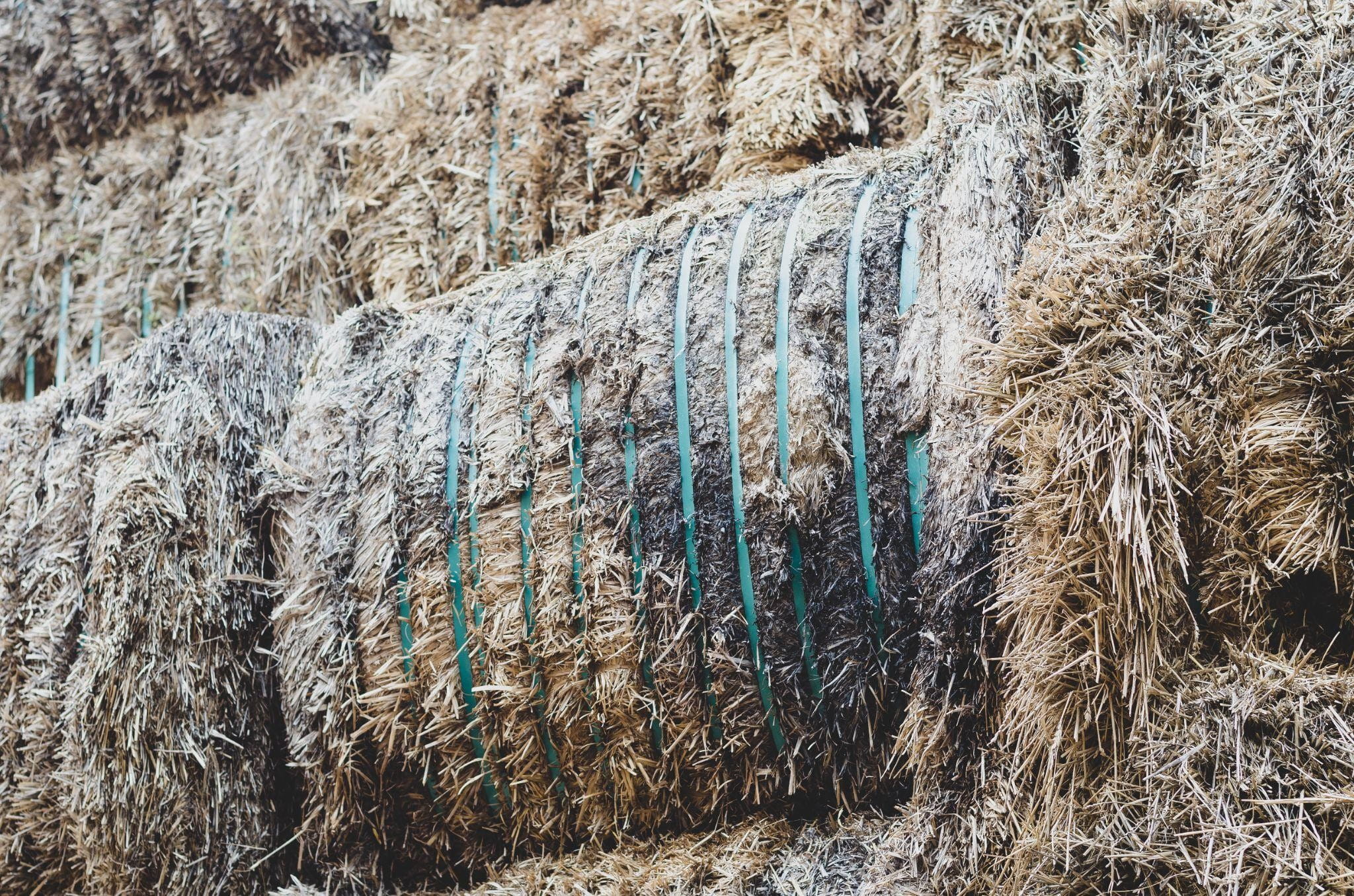
When it comes to protecting hay, simply throwing a durable tarp over the top is rarely enough. Wind, rain, livestock, and uneven ground can all cause hay to shift, spoil, or break down far sooner than expected, leading to unnecessary waste and added cost.
This is where hay anchoring systems come into play. From anchor bolts and weights to straps and fasteners, there are plenty of options available, but not every setup requires every component.
Understanding when extra anchoring is essential can make the difference between a secure, long-lasting haystack and one that constantly needs attention. In this guide, we break down how some popular hay anchoring systems work, what additional fasteners are worth using, and how to choose the right setup based on your environment, usage, and long-term goals.
Why Does Hay Anchoring Matter So Much?
Covering your hay is only half the battle. Securely anchoring hay is just as important for many reasons. Primarily, anchoring hay helps keep loose hay securely in place, preventing it from being blown away by wind, washed out by rain, or disturbed by foot traffic and wildlife.
Proper anchoring also ensures consistent ground coverage, which promotes even moisture retention, supports healthy germination, and reduces erosion of your feed, protecting both your hay and the site itself.
If farmers want to get the most out of their hay and avoid minimal wastage, then they ought to make sure they have securely anchored their reserves.
What Are the Most Common Hay Anchoring Methods?
There are many methods for anchoring hay, all depending on what the hay is being used for, such as for feed, construction, or erosion control. Here are some of the most common hay anchoring methods.
Heavy Duty Hay Tarps
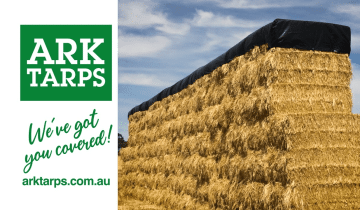
One method for anchoring hay involves using a heavy duty hay tarp that is weighed down and fixed to the ground with accessories like straps, cords, and anchors. This is very effective at shielding hay against damage from the elements as well as preventing animals from stomping on top of it.
Hay Anchor Bolts or Spiral Auger s
Hay can be anchored down by using a metal spiral auger or a ground anchor screwed into the ground like a large tent stake. A carabiner or tight rope can be attached to the eyelet of the anchor and tarp, keeping everything in place and allowing for natural, low-level feeding.
Barrels or Troughs
Repurposed plastic or metal barrels can be used to keep hay in place. When weighed down, these containers act as a stable base to hold hay nets or loose hay, preventing them from being scattered and providing a convenient place to feed.
What Are Hay Anchor Bolts, and How Do They Work?
We have mentioned anchor bolts as a popular method for anchoring hay, but what are they exactly? Hay anchor bolts are specialised fastening devices, typically made of high-strength, UV-resistant materials and designed to secure protective tarps over hay bales or stacks.
They are specifically engineered to withstand high wind and prevent moisture infiltration, with a design that allows them to be drilled directly into the hay, holding the cover in place. Anchor bolts provide a more secure, tighter fit than using rope or twine alone, significantly reducing, if not eliminating, wind strain on hay tarps.
Hay Anchor Bolts Supplied with Every Hay Tarp
Hay anchor bolts are included for free with our Hay Anchor Tarp Packs! In the pack, you will get one Hay Anchor Bolt per eyelet.
Once you select your Hay Anchor Tarp Pack, you will see the number of Hay Anchor Bolts that are included with your tarp.
Our Hay Anchor Bolts are designed to be used with a drill machine and are not to be hammered. The bolts will require a 15/16″ or 24mm socket head for fitting with a cordless drill
*We strongly encourage you to put ropes over the hay tarp to prevent the wind from getting underneath the tarp and putting strain on the eyelets.
Hay Anchor Bolts vs Weights vs Straps: What’s the Difference?
Hay anchor bolts, weights, and straps are all used to keep hay or straw in place, but they work in different ways and suit different site conditions. They can even be used together!
Understanding the differences helps ensure effective erosion control and ground protection.
Hay Anchor Bolts
Hay anchor bolts are driven directly into the ground to physically secure hay or straw. They provide strong, direct anchoring and are well-suited to sloped areas, high-wind locations, or sites with loose or sandy soil.
Because they fix the hay to the ground itself, anchor bolts offer reliable, long-term stability and are commonly used in commercial, civil, and erosion-control applications.
Weights
Weights, such as sand bags, hold hay down using downward pressure rather than ground penetration. They are typically placed on top of hay bales or loose straw to prevent movement.
While quick and easy to deploy, weights are best suited to flat, low-risk areas with minimal wind or water runoff, as they can shift over time and may not provide consistent coverage.
Straps
Buckle straps are used to tie hay bales together or secure them to other fixed objects. They help keep materials organised and prevent spreading but rely on external anchor points.
Straps are generally used as a supplementary measure rather than a primary anchoring solution, particularly in temporary or low-exposure setups.
How to Choose the Right Anchoring Setup for Your Haystack
Hay anchor bolts provide the most secure and dependable anchoring, especially in demanding conditions. Weights and straps offer convenience and flexibility but are better suited to short-term or low-risk applications where soil disturbance must be minimal.
At the end of the day, though, any combination of these tools can be used to keep your hay where it needs to be. Which option works best for you depends on your environment and plans for the hay itself.
We sell Hay Anchor Bolts. Can you try and link to the Hay Tarps product here somewhere:
| Hay Anchor Bolts vs Weights vs Straps: Choose the Right Anchoring Setup for You | ||||
|---|---|---|---|---|
| Method | How It Secures Hay | Best Use | Stability | Install Effort |
| Anchor Bolts | Fixed into ground | Slopes, high wind, erosion zones | High | Medium |
| Weights | Downward pressure | Flat, low-risk areas | Low–Medium | Low |
| Straps | Tied to anchor points | Supplementary use | Medium | Low |
Secure Your Hay the Smarter Way Today with ARKTarps
Whether you’re dealing with high winds, uneven ground, erosion risk, or temporary feeding setups, the correct combination of anchor bolts, weights, and straps can dramatically reduce hay loss and protect your investment. By matching your anchoring method to your environment, you’ll improve stability, minimise waste, and extend the usable life of your hay, season after season.
Are you looking for a reliable, proven hay anchoring solution? ARKTarps supplies heavy-duty hay tarps, anchor bolts, straps, and accessories designed to perform in tough Australian conditions.
Browse our range of tarps and tarp accessories today, or get in touch with our team for expert advice on choosing the right hay anchoring setup for your property. Protect your hay, reduce waste, and anchor down with confidence!

 No products in the cart.