When buying a new heavy-duty tarp for your farm, worksite, or backyard garden, the colour might seem like a pretty minor detail. Maybe you choose green because it blends into the background, or blue because it’s available, or even black because it looks rugged enough to handle just about anything. But does tarp colour actually matter as the Australian sun beats down on it?
The truth is, yes, colours can matter. Lighter, reflective colours can reduce heat absorption, while darker colours tend to absorb more solar energy. However, colour alone won’t tell you how well a tarp will withstand UV exposure or how long it will last outdoors.
If you’re looking for the best tarp colour in Australia, then consider how you’ll use the tarp, how much direct sunlight it will receive, and what it’s made from to choose the right tarp for the job. Here’s our guide to tarp colours and how to choose the right one for your needs.
How Does Tarp Colour Affect Heat and UV Protection?
Colour can influence how much sunlight a tarp’s surface reflects or absorbs. This affects its temperature in direct sunlight, which matters, especially during an Australian summer. Generally, lighter colours reflect more visible sunlight than darker colours; silver tarps, in particular, are designed to reflect sunlight and can help reduce heat build-up beneath a cover.
UV protection is a slightly different issue. Ultraviolet (UV) radiation can gradually break down tarp materials, causing fading, brittleness, and reduced strength over time. A tarp’s resistance to UV exposure depends not on colour alone but also on its material, stabilisers, coatings, and construction.
So a light-coloured tarp isn’t automatically more UV-resistant than a dark one, and a black tarp isn’t necessarily less durable just because it absorbs more heat. When comparing tarps, consider heat reflection, UV resistance, and material strength.
Tarp Colour Guide: Which Colour Is Best for Australian Conditions?
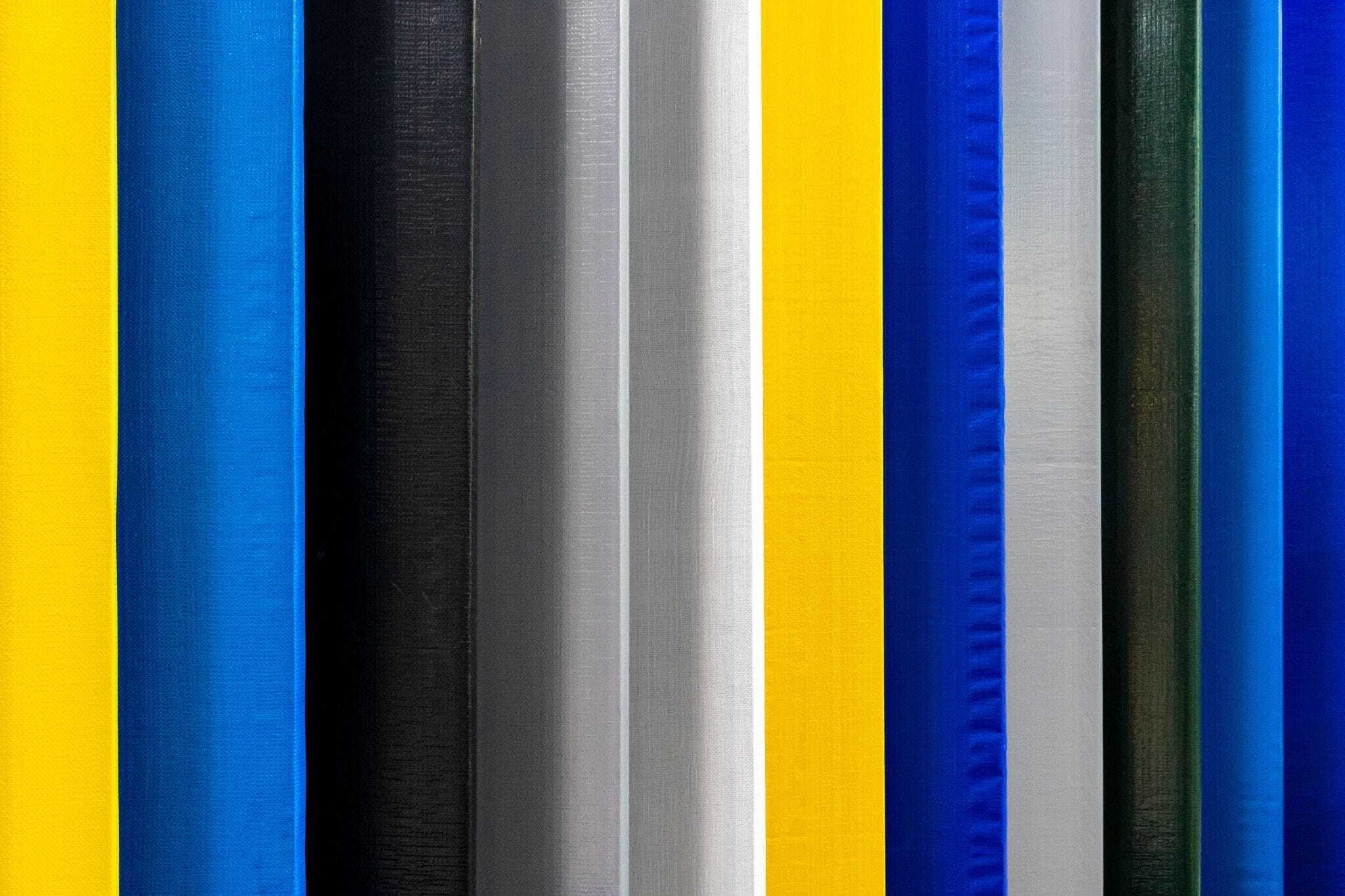
Different tarp colours may suit different jobs. Depending on the job, one colour may be more appropriate than others. Here’s how common colour options may compare for heat, visibility, and everyday use.
| Tarp Colour Guide: Which Colour Is Best for Australian Conditions? | ||
|---|---|---|
| Tarp colour | Heat performance | Best suited to… |
| Silver | Reflects sunlight and helps reduce heat absorption. | Hot, sunny locations and outdoor equipment. |
| White | Reflects most incoming sunlight. | Covering items where keeping temperatures down matters. |
| Black | Absorbs more sunlight and generally heats up more. | Applications where a dark cover is preferred. |
| Green | Moderate heat absorption, depending on the material and finish. | Farms, gardens and outdoor storage. |
| Blue | Performance depends on the tarp’s construction and coating. | General-purpose covering and temporary protection. |
| Camouflage | Varies with the colours, material and surface finish. | Outdoor settings where a less conspicuous cover is useful. |
NOTE: This table is a general guide. Two tarps of the same colour can perform very differently depending on their construction and UV protection.
What Colour Tarp Lasts the Longest in Australian Conditions?
No single tarp colour will necessarily last longer than another. While reflective colours such as silver can help reduce heat absorption, lifespan depends on several factors working together. Here’s what to prioritise when comparing options and choosing the best tarp colour for your needs.
UV stabilisation and material quality
For a tarp that will spend most of its life outdoors, put UV resistance high on your priority checklist. Look for products designed for prolonged sun exposure, with specifications that explain their intended use. The quality of the base material, protective coatings, and construction will also influence how well the tarp handles repeated exposure to heat and weather.
Look for tarps made from UV-resistant materials such as XF-Film, like ARK Tarps.
GSM and overall strength
GSM stands for grams per square metre. It measures the weight of the tarp material and is one useful indicator when comparing products. A higher GSM tarp is often heavier and more substantial, although GSM alone doesn’t guarantee better UV resistance, tear strength or lifespan. For demanding applications, ARK heavy-duty tarps are worth considering.
If your tarp will see more intensive use or you need a heavier-duty option, explore our range of extra-heavy-duty tarpaulins.
Construction and secure fastening
Even a high-quality tarp can fail prematurely if it’s poorly secured. Strong wind can cause repeated movement and stress around tie-down points, while sharp edges and abrasive surfaces can wear through the material. Reinforced edges, sound attachment points and appropriate fastening methods can help reduce this damage.
Choose a tarp built for the conditions and secure it properly, especially if it will remain in place through summer storms.
Maintenance and exposure
Dust, accumulated debris, standing water, and constant flapping can all contribute to wear. A reflective colour can help manage heat, but good material quality, appropriate construction, and regular maintenance turn that advantage into a longer service life. Inspect your tarp periodically, clean it according to the manufacturer’s recommendations and repair minor damage before it spreads.
Where possible, reduce unnecessary exposure when the tarp isn’t in use.
FAQs
What tarp colour best reflects heat?
Silver is a strong option, as its reflective surface can reduce solar heat absorption. White is another good choice. Actual performance will depend on a tarp’s finish, material, and construction.
Does tarp colour affect UV protection?
Colour can influence how a tarp interacts with sunlight, but it doesn’t determine UV resistance. UV stabilisers, material quality, and protective coatings all affect how well a tarp withstands prolonged exposure.
What colour tarp lasts the longest in Australian conditions?
There isn’t a definitely longest-lasting colour. Silver and white may reflect more heat, but a tarp’s lifespan depends on UV stabilisation, material quality, GSM, construction, fastening, and maintenance.
Do black tarps absorb more heat than others?
Usually, yes. Black surfaces absorb more solar radiation than comparable light-coloured or reflective surfaces, so they can become hotter in direct sunlight. The amount of heating depends on the material and surface finish.
What does “UV-stabilised” mean for a tarp, and does it matter?
“UV-stabilised” means the material has been formulated or treated to resist degradation from ultraviolet radiation. It’s an important feature for tarps exposed to direct sunlight, as UV damage can gradually weaken the material and shorten its useful life.
Does a darker tarp degrade faster in direct sun?
In some circumstances, yes, because darker surfaces generally absorb more heat. However, a darker tarp won’t necessarily degrade faster than a lighter one.
Find the Right Tarp for Australian Conditions
Choosing a tarp involves more than picking your favourite colour. Silver and white can help reduce heat absorption, while green, blue, black and camouflage options suit a range of practical applications. The key is to match the colour to your needs and make sure the tarp’s material, UV resistance and construction can handle the conditions.
Whether you’re protecting farming supplies, garden equipment, or just need a durable outdoor cover, ARK Tarps has you covered. Explore ARK Tarps to compare all our options and find a tarp built for the job.


 No products in the cart.