
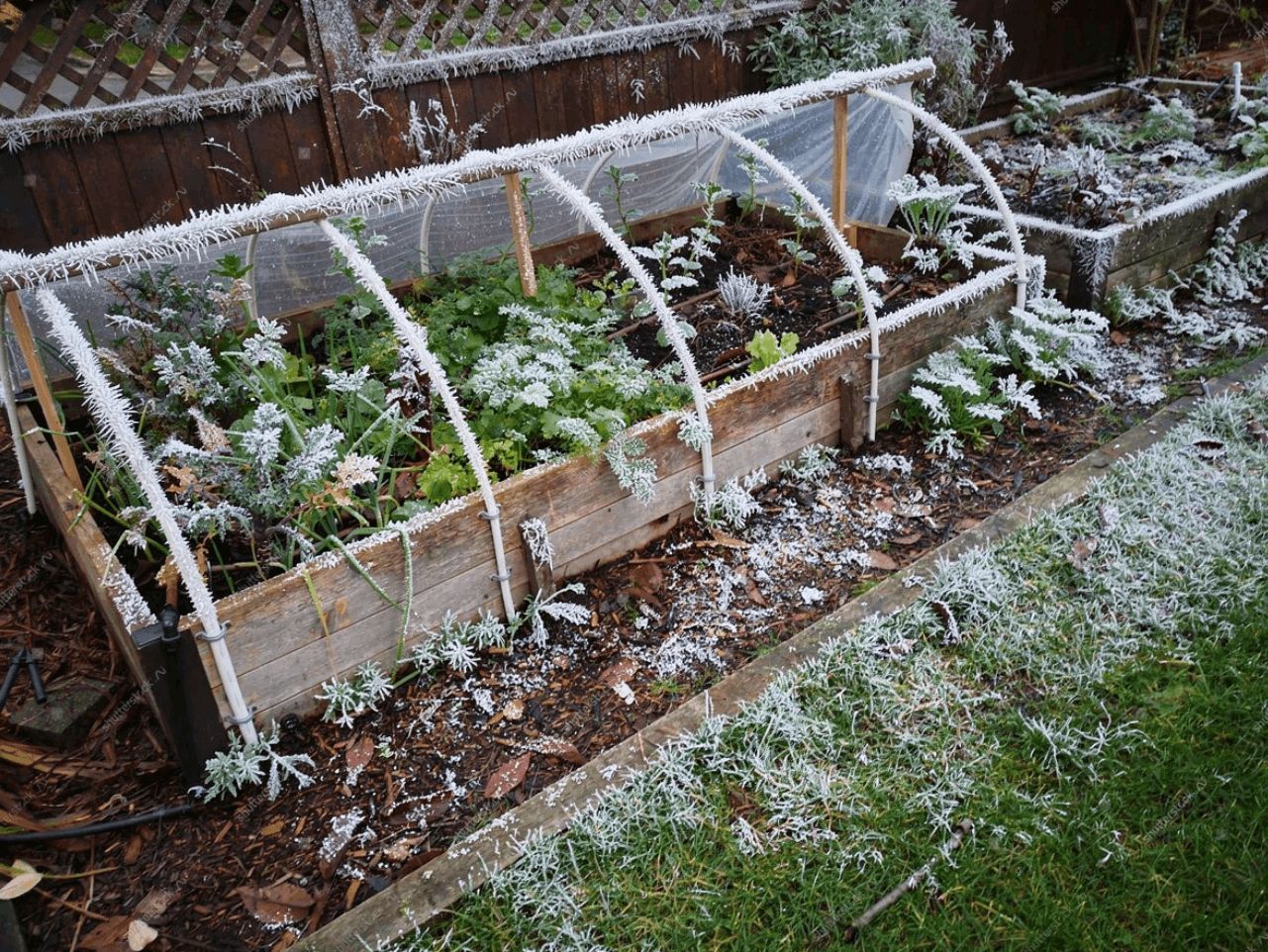
As temperatures drop across Australia, home gardeners face one of the biggest seasonal challenges: protecting their vegetables from overnight frost. While autumn and winter are excellent times to grow many crops—such as berries, leafy greens, and pumpkins—a single cold snap can undo weeks of hard work by damaging leaves, stunting growth, or killing young plants altogether.
Fortunately, learning how to protect vegetables from frost doesn’t have to be expensive or complicated. With a little planning and the right materials, you can create a practical temporary frost-protection setup using a heavy-duty waterproof tarp that helps reduce frost exposure, cold wind, and moisture settling directly on your veggie patch while standing up to Australia’s unpredictable winter weather.
In this guide, we’ll explain the best methods for frost protection for plants, compare different cover options, and show you exactly how to build a simple frost cover that can help protect vulnerable crops during cold snaps.
Why Late Autumn Frosts Are a Threat to Your Veggie Garden Right Now
You wouldn’t attempt camping in the winter without shelter, right? At least you’ll need to take a tent or sleeping bag with you. Well, the same can be said for a garden bed in winter; your plants can get cold just like you!
Late autumn and early winter are when many gardeners experience their first damaging bouts of frost. Even regions that rarely receive snow, like in central Australia and far north Queensland, can experience overnight temperatures low enough to freeze moisture outside and inside plant cells.
When frost forms on leaves, the ice crystals can rupture cell walls, causing blackened foliage, wilted stems, and a reduced harvest. Even vegetables that survive frost often grow more slowly when exposed to harsh cold, making preventive protection well worth the effort.
Can You Use a Tarp to Temporarily Protect Plants from Frost?
Absolutely, using a garden tarp is an excellent way of protecting a veggie garden in winter in Australia… but only when used correctly. Not any old tarp will do, of course; you need a strong, waterproof tarp that can serve as a temporary frost barrier when installed correctly.
A heavy-duty tarp setup can help trap some warmer air around your plants, reduce frost settling directly on leaves, and retain some heat radiating from the soil overnight. Unlike lightweight temporary covers like plastic sheets, a heavy-duty waterproof tarp offers excellent durability throughout the winter season and withstands moisture, wind, and rain, as well as repeated use.
How to Set Up a Tarp Frost Cover Over Your Veggie Patch: Step-by-Step
Building your own DIY frost cover for your vegetables is surprisingly straightforward. With the right supplies and some know-how, you can easily rig your own protection against the cold that you can reuse for frost-prone nights throughout winter.
Step 1: Install Supports
Use PVC hoops, conduit, timber stakes or garden arches to create a simple frame over your vegetable bed. Arrange it so the cover stays elevated while allowing plenty of airflow.
Step 2: Lay the Tarp
Drape the tarp across the hoops so it fully covers the plants without touching leaves. Be sure to leave a small air gap to improve insulation.
Step 3: Secure the Edges
Use pegs, bricks or weighted sandbags to firmly anchor the tarp around all sides. Cold air entering from underneath dramatically reduces effectiveness, so check that all sides are sealed.
Step 4: Cover Before Sunset
Aim to cover your garden bed before sunset. This allows the cover to trap warmth from the soil before freezing conditions arrive.
Step 5: Remove in the Morning
It is important to remove or ventilate your tarp cover once temperatures rise above freezing. Because waterproof tarps are not breathable like frost cloth, leaving them on during the day can trap heat and moisture around the plants.
What Size Tarp Do You Need for a Standard Raised Bed?
Most raised vegetable beds require enough coverage to drape over both the frame and down to ground level. As a general guide:
- 2 × 2.4 m beds typically suit a 2 × 3 m tarp.
- 2 × 3 m beds often require a 3 × 4 m tarp.
- Larger beds may need multiple tarps or custom-sized covers.
Always allow extra material so the edges can be securely anchored!
Which Veggies Need Frost Protection Right Now (and Which Can Handle It)
Not every vegetable responds the same way to frost; in fact, some fruits, like berry bushes, require it to be fruit! It is important to know which crops can withstand the cold and which will succumb quickly.
Here are some common vegetables grown in Aussie garden beds that need protection against frost to thrive, and which ones can withstand a little cold.
Vegetables That Need Protection
- Tomatoes
- Capsicum
- Chillies
- Eggplant
- Cucumbers
- Zucchini
- Beans
- Basil
- Pumpkin seedlings
These vegetables should be covered whenever frost is forecast and at night during cold spells to maintain steady growth.
Vegetables That Tolerate Frost
Some winter vegetables actually benefit from colder temperatures. These include:
- Kale
- Spinach
- Silverbeet
- Garlic
- Onions
- Leeks
- Broad beans
Protect Your Garden Before the Frost Arrives with ARK Tarps
Winter doesn’t have to mean losing your vegetable harvest. By understanding frost protection for plants, choosing the right temporary cover, and installing it correctly before temperatures drop, you can prepare your yard for winter and keep your veggie patch productive throughout the colder months.
Whether you’re creating a simple DIY frost cover for your vegetable setup or protecting a larger growing area, investing in quality materials will save time, reduce plant losses, and provide reliable protection season after season.
Explore the full ARK Tarps range to find our selection of heavy-duty tarps, sandbags, and crop covers designed to withstand Australia’s toughest conditions. With the right equipment, you’ll be ready for whatever winter throws at your garden.
Mary, Mary, quite contrary, how does your garden grow? Ideally, under a frost tarp!


 No products in the cart.