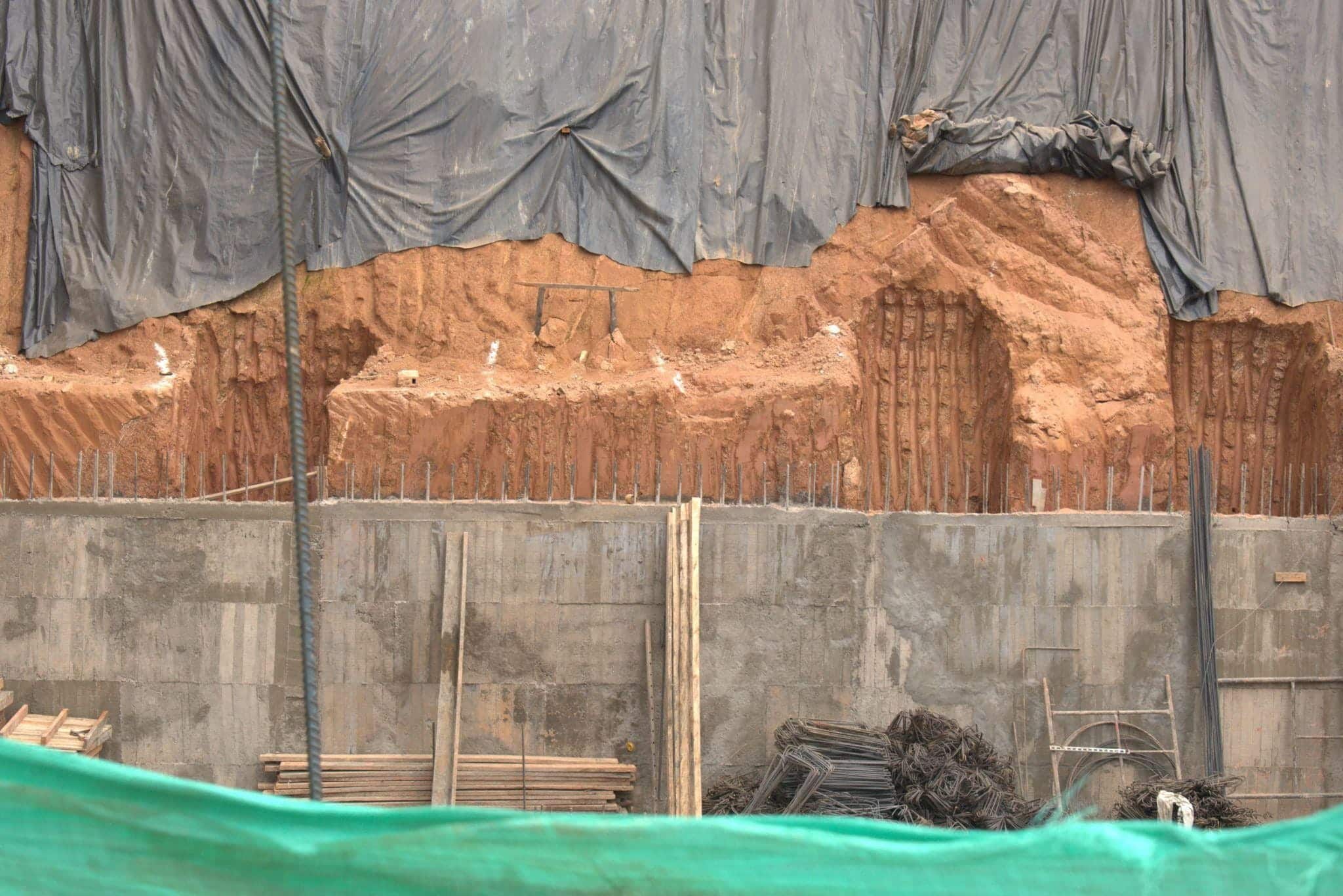
Construction sites in Australia can be tough environments for equipment. One day it’s blazing sunshine; the next, bucketing rain; and in between, dust, grit, and maybe even some mud. Leaving your tools, machinery, and supplies exposed to any of these elements can cause damage, delays, and replacement costs that are all avoidable.
A durable, premium heavy-duty tarp adds an extra layer of protection for your gear. But with so many different materials, weights, and sizes available, how do you choose the right one for your worksite? Whether you’re covering power tools, protecting building materials or keeping a large piece of plant equipment dry between jobs, here’s what to look for in a reliable worksite tarp cover.
Why Use Heavy-Duty Tarps on Construction Sites?
Heavy-duty tarps are a practical tool for protecting equipment and materials when they can’t be stored inside. They’re easy to move, reusable, and come in multiple sizes, from a small stack of tools to large machinery. A quality tarp can help protect against the following:
Rain and moisture: Keep water off tools, building materials, and equipment to prevent corrosion and water damage.
UV exposure: Reduce exposure of machinery, stored supplies and outdoor equipment to direct sunlight.
Weather: Protect supplies that need to remain outdoors from weather between shifts or during longer projects.
Dust and debris: Help keep tools and materials cleaner in busy work areas.
Of course, a tarp works best when it’s the right size, properly secured, and built to conditions. Remember, covering equipment doesn’t replace proper storage, maintenance, or manufacturer-recommended protection.
Choosing the Right Tarp Material for Your Worksite
The best tarp for your worksite depends on what you’re covering, how long you need to cover it, and the environment you’re storing it in. For Australian worksites, UV resistance deserves particular attention. A tarp that performs well in mild conditions may deteriorate more quickly under prolonged exposure to harsh sunlight if it isn’t designed for outdoor use.
| Choosing the Right Tarp Material for Your Worksite | ||
|---|---|---|
| Tarp material | Best suited to | What to consider |
| Polyethylene (PE) | General site coverage, tools and building materials | Lightweight, practical and commonly available in waterproof options. Quality and durability vary. |
| PVC or vinyl | Heavy-duty industrial applications and demanding site conditions | Often offers strong, waterproof protection, although heavier covers can be harder to handle. |
| Canvas | Selected applications where breathability matters | Can help reduce trapped condensation, but untreated canvas may absorb water and isn’t automatically waterproof. |
| Advanced industrial film | Repeated outdoor use, machinery and larger worksite coverage | Look for documented tear resistance, waterproof construction, UV protection and durable tie-down points. |
How Heavy Should a Worksite Tarp Be?
GSM stands for grams per square metre, measuring the material’s weight and providing a useful starting point when comparing tarps. Generally, a higher GSM tarp uses more material per square metre. For example, our ARK Tarps industrial tarps use Swiss-patented XF Film and are designed for construction, transport and other demanding applications; the 200 GSM industrial-strength range combines waterproof protection with UV resistance and ultrasonically welded eyelets, making it worth considering when ordinary covers aren’t up to the job.
However, GSM alone doesn’t tell you everything about its strength, tear resistance, or expected lifespan. Material composition and construction matter, too. For a quick guide, here is how ARK Tarps’ main options compare.
| Tarp type | GSM | Best suited to |
|---|---|---|
| Heavy-duty tarps | 120 GSM | General equipment, tools, vehicles and building materials |
| Extra heavy duty tarps | 150 GSM | More demanding outdoor coverage and rougher worksite conditions |
| Industrial strength tarps | 200 GSM | Heavy-use applications, construction projects and larger equipment |
If you’re comparing a heavy-duty tarpaulin with an extra-heavy-duty option, consider how often you’ll use it, what surfaces it will contact, and how exposed it will be to wind and weather. There’s little point in choosing a heavier cover if it becomes unnecessarily difficult for your team to handle. A smaller, frequently handled tool cover has different requirements from a large tarp left over machinery for an extended period.
Key Features to Look for in Industrial Tarps
GSM is only one part of an industrial tarp. A few other features can make a real difference to how well your tarp performs on site. Here are the key features to consider when choosing an industrial-strength tarp for your worksite.
Waterproof Construction
If you’re covering equipment or materials that need protection from rain, check whether the tarp is fully waterproof or simply water-resistant. A heavy-duty waterproof tarp should suit the exposure it will face, with particular attention to seams, edges, and tie-down points. Pooled water adds weight and can strain the material and attachment points, so consider how water will drain off the cover.
Our tarps use XF-Film, which provides waterproof protection throughout the entire material rather than relying solely on a surface coating.
UV Resistance
Australian conditions can be demanding on outdoor covers. Look for UV-stabilised materials and check whether the manufacturer provides a specific UV guarantee. For example, our heavy-duty, extra-heavy-duty, and industrial-strength ranges come with a three-year UV guarantee.
Always check the relevant product details to understand the coverage.
Reinforced Eyelets and Strong Tie-Down Points
Even a tough tarp can fail if the tie-down points give way. Look for reinforced attachment points that can handle regular securing and removal. Our tarps use ultrasonically welded eyelets integrated into a reinforced sleeve, strengthening the areas used to secure the cover.
You’ll also need suitable straps or cords to secure the tarp. Avoid relying on a few isolated tie-down points or pulling so tightly that the material becomes strained.
How to Secure a Tarp on a Construction Site
Choosing the right tarp is only half the job! For reliable protection in all conditions, you also need to secure your tarp so it can stay in place. Here’s how to secure a tarp on a construction site so it stays put.
- Position the cover carefully: Remove sharp debris where practical and avoid dragging the tarp across rough edges that could damage it.
- Spread the load evenly: Make sure the cover sits securely without excessive tension across one section.
- Use appropriate tie-downs: Secure the eyelets with suitable straps or cords, distributing the tension rather than pulling hard on a single point.
- Allow for wind and drainage: Avoid loose sections that can catch the wind, and position the tarp so water can run off instead of pooling.
- Inspect it regularly: Check the material, eyelets and tie-downs for damage, especially after strong winds or heavy rain.
FAQs
What GSM tarp is best for construction site use?
It depends on the application. A 120 GSM heavy-duty tarp suits general equipment and material coverage, while 150 GSM and 200 GSM options suit more demanding applications. Compare the material’s construction and durability as well as its GSM.
Are heavy-duty tarps waterproof?
Some are fully waterproof, while others are only water-resistant. Check the product specifications before buying. ARK Tarps’ heavy-duty, extra-heavy-duty and industrial-strength XF Film ranges are designed to provide waterproof protection.
How long do industrial tarps last outdoors in Australia?
Lifespan depends on material quality, UV resistance, weather exposure, and how you handle and store it. Check the manufacturer’s warranty or UV guarantee, and inspect the tarp regularly for signs of wear.
How do you secure a tarp on a construction site?
Use suitable tie-downs through reinforced eyelets, distribute tension evenly and secure the cover to appropriate anchor points. Account for wind and drainage, and follow site safety procedures.
Which tarp material is best for UV protection in Australia?
Look for a product specifically designed and tested for UV resistance. Material type alone doesn’t guarantee performance, so check the manufacturer’s specifications and any UV warranty.
What size tarp do I need to cover plant equipment?
Measure the equipment’s length, width and height, then allow enough material to cover the sides and secure the tarp. For unusually shaped or oversized machinery, check the dimensions carefully before ordering.
Can the same tarp cover tools and heavy plant equipment?
Sometimes, but it depends on the tarp’s size, material, and condition. A smaller heavy-duty cover may suit tools and general equipment, while larger machinery or more demanding conditions may call for an extra-heavy-duty or industrial-strength option.
Protect Your Worksite with ARK Tarps
Worksites can be tough on equipment, especially when the weather turns. A reliable tarp makes it easier to keep your tools, materials and machinery covered when they’re not in use. From everyday tool covers to large-scale machinery protection, choosing the right tarp helps keep valuable equipment better protected from Australia’s unpredictable weather.
ARK Tarps has got you covered, no matter where you work. We supply a range of protective products to suit a wide range of worksite needs. Explore our online range of tarps for sale and find reliable cover for your next job.


 No products in the cart.