

Wind is the number one challenge when it comes to keeping a tarp secure. A strong gust can quickly turn even the most carefully tied tarp into a flapping sail. Whether you’re hoisting up a camping tarp for a weekend bush escape, strapping down a lightweight tarp on a work site, or are even looking for some sturdy, secure boat covers, factoring in wind resistance is key.
This guide will walk you through how to rig a rock-solid setup, step-by-step, from ridgelines and knots to the necessary tools like sandbags and tarp clips. Once you know how to properly secure a tarp in the wind, as well as what tools you’ll need to do it, you’ll be sitting pretty, knowing your tarps aren’t going anywhere, no matter how hard the wind blows.
Essential Tools for Securing Your Tarp
Before you get started, be sure to inspect the state of your tarp and equipment. Inspect the eyelets and edges and look for any signs of weakness or damage. If the seams look old, add seam sealer where needed and consider doubling up on tarps if the material is lightweight.
There are certain essentials you’ll want to have on hand when securing your tarp. As you prepare, check and make sure you have the following tarp accessories:
Bungee Cords with Hooks
Our ARK Tarps Bungee Cords are made from latex, a high-quality, durable elastic material designed for both strength and flexibility. The hooks are specially designed to fit into the eyelets of our ARK Tarps, and since they are made from plastic, they will not rust and are perfect for long-term use in the sun. Given their versatile nature and reliable design, you should be sure to have some bungee cords with hooks in your travel pack or garage.
Clips
Clips are great weather-resistant tools for securing your tarps to terrain. For extra security, you can use a clip to fortify the hold on your tarp’s eyelets. Our tarp clips have been designed to crimp down on tarp material to help provide an instant eyelet or attachment point, so they’re ideal for windproofing your setup.
Rope
You’ll often need rope to tie down your tarps, whether you’re camping or getting your work site ready for a storm. Our ropes are made from UV polypropylene, ensuring they will withstand strong winds and not diminish in quality despite constant exposure to the sun and elements. These heavy-duty ropes are also buoyant and fungal-resistant, so they are truly adaptable for any environment or need.
Sandbags
Our ARK Tarps sandbags are designed specifically for use in conjunction with tarps, ideal for weighing down your ropes and pegs. Unlike standard sandbags that rot, tear, and leak, ours are heavy-duty and waterproof, featuring welded seams and a zipped opening. This makes them durable and reusable, season after season, for any reason. So be sure to level up your tarp game with some durable sandbags, just in case!
Evaluate the Environmental Conditions
Before setting out to secure your tarp, it is always wise to check the day’s forecast. You’ll be less likely to get caught off-guard by any surprises if you know what kind of weather to expect when you go outside.
If moderate wind is to be expected, then you may only need to use a standard lightweight tarp. If high winds or rainstorms are expected, though, then opt instead for waterproof extra heavy duty tarps designed to withstand extreme conditions.
Be sure to stay tuned to local and state weather emergency warnings, too. If it appears like it is too dangerous to go outside, then leave the tarp and yourself at home if you can help it. Save the trip for another day!
Assess the Terrain
Once you’ve made it to your site, you’ll want to assess the terrain before trying to secure your waterproof tarp. It’s crucial to evaluate the environment you’re working in before settling down. Weather and terrain both play a huge role in how well your tarp will hold up in the wind, especially if you’re relying on it for shelter, shade, or protection of equipment.
Now, not all ground surfaces are equal when it comes to anchoring tarps. Uneven ground can create tension points that put stress on your tarp’s fabric, meaning one side may be pulled more than another. In these cases, a thoughtful setup using poles or tarp clips will give you better coverage and less strain on the tarps’ material.
Sandy terrain can also present issues, causing tarp pegs to loosen easily. If you’re camping in a sandy area, then you may opt instead for a heavy duty tarp with longer stakes and extra rope. Rocky terrain can be difficult to drive stakes into, too, so you may need to use weighted anchors like nearby rocks or your own sandbags.
By knowing the terrain you’ll be staying in, you can make informed decisions about what type of tarp you should pack with you. That way, you can rest safely wherever you are, no matter what Mother Nature may throw at you.
Step-by-Step Guide: Setting Up a Tarp During High Winds
Once you know it is safe outside and you’ve assessed the terrain, now you can secure your tarp against high winds. A loose tarp can lead to damaged property, safety hazards, and ineffective protection against the elements, so properly securing your tarp will help keep whatever is underneath safe from wind, rain, and other debris.
Here is a step-by-step guide to properly securing a tarp during high winds:
1. Establish a Ridgeline
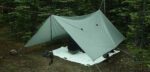
Create a ridgeline across where you want to secure your tarp by using rope or bungee cords. Drape your tarp across this line and orient the middle of your tarp so that the two steeper corner seams are facing in the direction of the wind.
This will help minimise wind drag by making the ridgeline and largest panels of the tarp both in line with the wind instead of broadside to it. Your tarp will be able to bounce wind off itself rather than stand against it. Additionally, by creating a ridgeline, you will not have any water pooling on top of the tarp and adding extra strain to the eyelets.
2. Loop Your Guy Lines Through Eyelets
Lay your tarp down across your ridgeline. Then, once it’s flat, loop your rope or bungee cords through the eyelets.
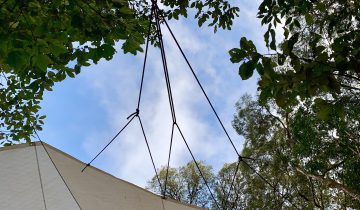
Pulling your cords tight through the eyelets, you’ll then want to loop the excess length—your guy lines—around your stakes or poles. This will help provide flexibility in the wind and absorb any tension.
3. Secure Your Guy Lines
Next, take the ends of your guy lines and secure them to either the ground or another stable surface. You can either wrap your cords around tarp stakes, tent stakes, or ground anchors.
If you aren’t securing your tarp to the ground, then fasten the remaining length around something immovable, like a tree or part of a building. It is recommended you use a bowline knot and anchor your guy lines at a 45-degree angle for maximum hold.
4. Secure Tarp with Clips or Sandbags
Once the tarp is secured, you’ll want to reinforce its hold by adding extra clips to the fastenings or by placing sandbags on top of your stakes in the ground. Clips can help offer extra security to your eyelets, and sandbags can be placed down on top of any stakes to keep them from lifting up.
If you’re using a poor-quality tarp that has lost some of its eyelets or has suffered extensive damage, then these clips can help serve as makeshift eyelets. Be sure to replace your worn-out tarps with high-quality tarps that will last longer.
5. APPLY ROPES ACROSS THE TARP
After securing all the clips and tie-downs, it is important to run ropes over the top of your tarp. This prevents the “parachute effect,” where wind can lift the tarp from underneath and put excessive strain on the material and eyelets. By crossing ropes over the length and/or width, you will keep the tarp firmly in place, stop wind uplift, and extend the life of your tarp. A few extra minutes of setup goes a long way in protecting your tarp.
ARK Tarps, Built For Aussie Winds!
High winds don’t have to mean ripped tarps, damaged gear, or wasted weekends. With the right setup techniques, quality accessories, and a reliable waterproof tarp suited to your environment, you can keep your shelter, tools, or equipment safe no matter how hard the Aussie wind blows.
From lightweight tarps to long-lasting, camo tarps, and caravan and trailer covers, choosing the right product is just as important as knowing how to secure it properly. At ARK Tarps, we make it easy to get prepared.
Our range of tarps and tarp accessories are built for Australian conditions: they are all durable, weatherproof, and ready for anything. So don’t wait until the next storm hits! Make sure you’re covered with the right tarp today.
 No products in the cart.