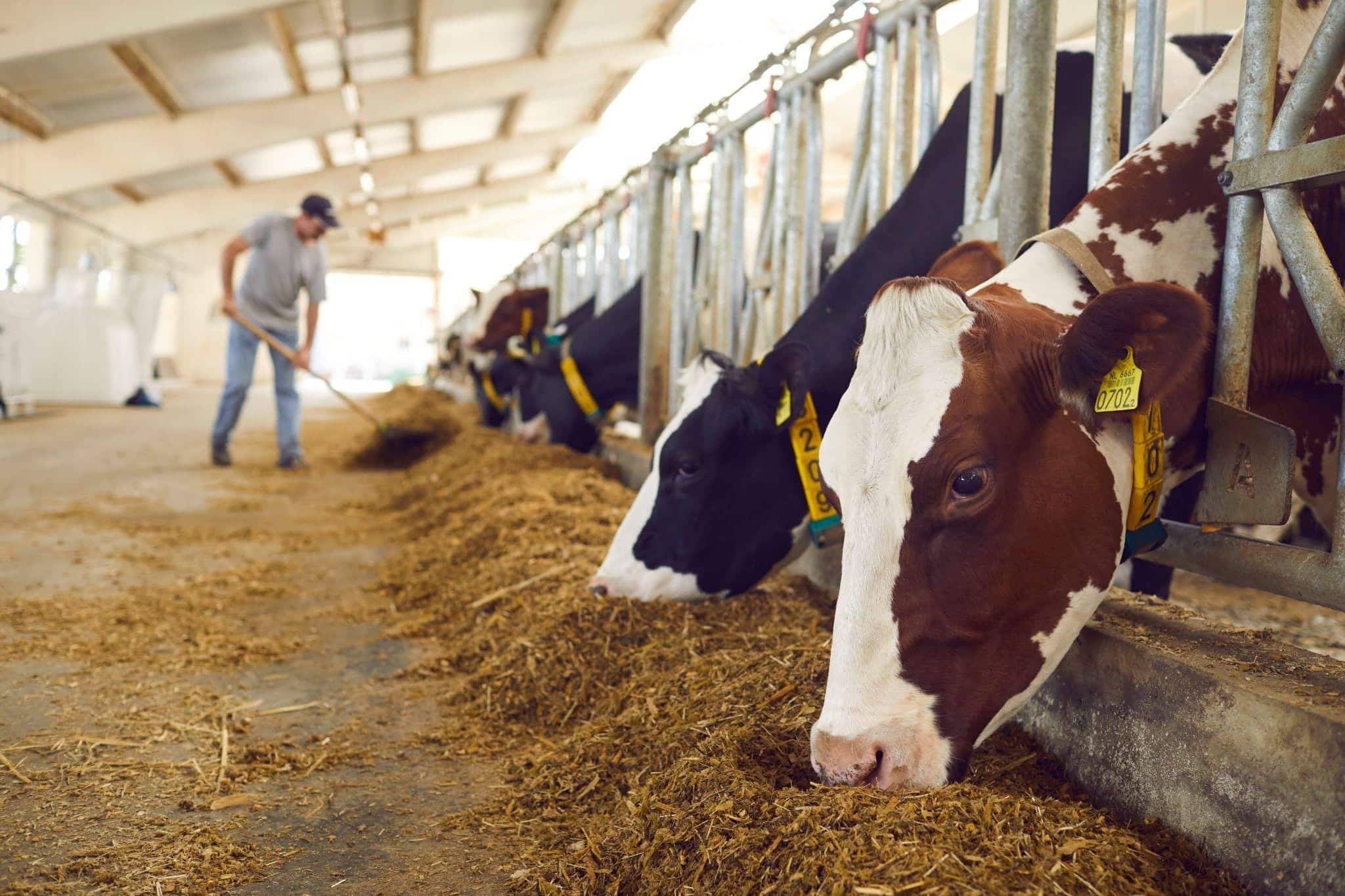
For livestock farms, silage quality can make or break feed efficiency, setting the course for either a productive or disastrous year. Even the best forage can lose significant nutritional value if it is not stored and protected correctly, leading to spoilage, waste, and unnecessary costs over time.
Proper silage tarping plays a critical role in preserving feed quality by controlling moisture, limiting oxygen exposure, and supporting consistent fermentation. However, not all tarping setups are created equal. From tarp quality and fit to anchoring methods and weight distribution, small details can have a major impact on silage outcomes.
Why Proper Silage Tarping Is Critical for Feed Quality
Controlling moisture and fermentation are crucial for proper silage. To produce high-quality silage feed, an environment that is both highly acidic and low in oxygen must be created for bacteria to flourish.
To “pickle” forage properly, controlled fermentation is achieved by using a silage tarp, which helps pH levels fall and remain low. This enhances livestock digestibility, stabilises the feed, and safeguards proteins. Similar to keeping hay dry and nutrient-rich for cattle feed, fermentation can take place while retaining value and nutrients.
What Causes Silage Spoilage on Livestock Farms?
Striking the right balance of acidity and moisture can be difficult, though, and spoilage is a constant threat. Excessive moisture can cause seepage, leading to reduced palatability, unpleasant odours, and nutrient loss. Additionally, farmers risk trapping excess oxygen when moisture is insufficient, which can promote mould growth and make it difficult to achieve stable fermentation.
All of this can be avoided more easily by covering silage with a heavy duty tarp, hay tarp or silage tarp to help regulate and control fermentation beneath. But not just any old sheet will do; in fact, if you’re serious about your silage, you should consider replacing any plastic sheeting with a tarp designed specifically for silage.
What Makes a Good Silage Tarp?
For your particular silage situation, an ARK Tarps silage tarp might be the ideal solution. Our silage tarps are superior to standard plastic sheeting in several ways. Farmers across Australia rely on our incredibly durable ARK Tarps for a variety of purposes, making them the ideal gardening sidekick.
| Feature | Description |
|---|---|
| Strong & Reliable | To increase cross-directional strength, the raw XF-Film material layers are laminated in opposing directions during our manufacturing process. ARK Hay Tarps are stronger and perform better in the field than standard poly tarps, which are usually woven in a single direction. |
| UV-Resistant | Our hay anchor tarps are perfect for Australia’s extreme weather because they are made for prolonged outdoor use, meaning they won’t peel, crack, or disintegrate in intense sunlight. |
| Welded Eyelets | Our powerful eyelets are seamlessly integrated into the tarp material for outstanding strength and ultrasonically welded to a thick plastic sleeve. The bigger eyelets are made to fit our hay anchor bolts, perfect for protecting your silage. |
| 100% Waterproof | ARK Hay Tarps are born waterproof. Every layer offers total waterproof protection because the raw materials used in production are waterproof. Our tarps provide complete waterproofing throughout, unlike other tarps that often have only a thin, water-resistant coating applied after manufacturing. |
These are just some of the reasons why you need an ARK Tarps silage tarp on your farm. From waterproof silage storage to weatherproof fermentation regulation, our heavy duty silage tarps are the smart choice for all your silage solutions.
Why Reliable Anchoring Improves Fermentation Results
Covering your hay or silage is only half the battle. For many reasons, it is equally crucial to securely anchor your tarp over your silage. The main purpose of anchoring hay is to keep loose materials firmly in place so they won’t be washed away by rain, blown away by strong wind, or disturbed by wildlife and foot traffic.
Additionally, proper anchoring ensures consistent ground coverage, protecting your silage and the site by encouraging uniform moisture retention, supporting healthy germination, and minimising feed erosion.
Farmers should ensure their reserves are firmly anchored to maximise hay yield and minimise waste. This can be achieved by using either buckle straps, sand bags, or other tarp accessories.
Common Silage Tarping Mistakes to Avoid
Silage tarping is one of the most effective ways to preserve feed quality, but small mistakes can quickly lead to spoilage, dry-matter loss, and unnecessary costs. Avoiding these common errors will help ensure your silage stays protected, stable, and nutritionally rich.
Poorly Fitted Tarps
One of the most frequent mistakes is using a tarp that does not fully cover the stack or that leaves edges exposed. Gaps allow air and moisture to enter, accelerating spoilage and reducing feed quality. Tarps should extend beyond the edges to create a proper seal.
Unsecure Anchoring
Even the best tarp will not perform well if it is not anchored correctly. Insufficient weighting or anchoring will allow wind to lift or shift the tarp, breaking the seal and exposing silage to oxygen. Proper anchoring is especially critical in windy or highly elevated areas.
Uneven Weight Distribution
Placing weights only in certain areas can cause the tarp to sag or billow, creating pockets where air and water can collect. Even consistent weighting across the entire surface is essential to maintain an airtight seal and encourage fermentation.
Choosing the Right Silage Tarp Setup for Your Farm
If you’re looking to improve silage storage and reduce feed losses, ARK Tarps offers a wide range of heavy-duty silage tarps and anchoring accessories designed to perform in tough Australian conditions. Browse our range of tarps and accessories online, or get in touch with our team for expert advice on selecting the right silage tarp and anchoring setup for your farm.
Protect your feed, boost efficiency, and get more value from every harvest with an ARK Tarps silage tarp today!
Link to blog when live: “Hay Anchoring Systems Explained: Do You Really Need Extra Fasteners, Weights, or Straps?”


 No products in the cart.