
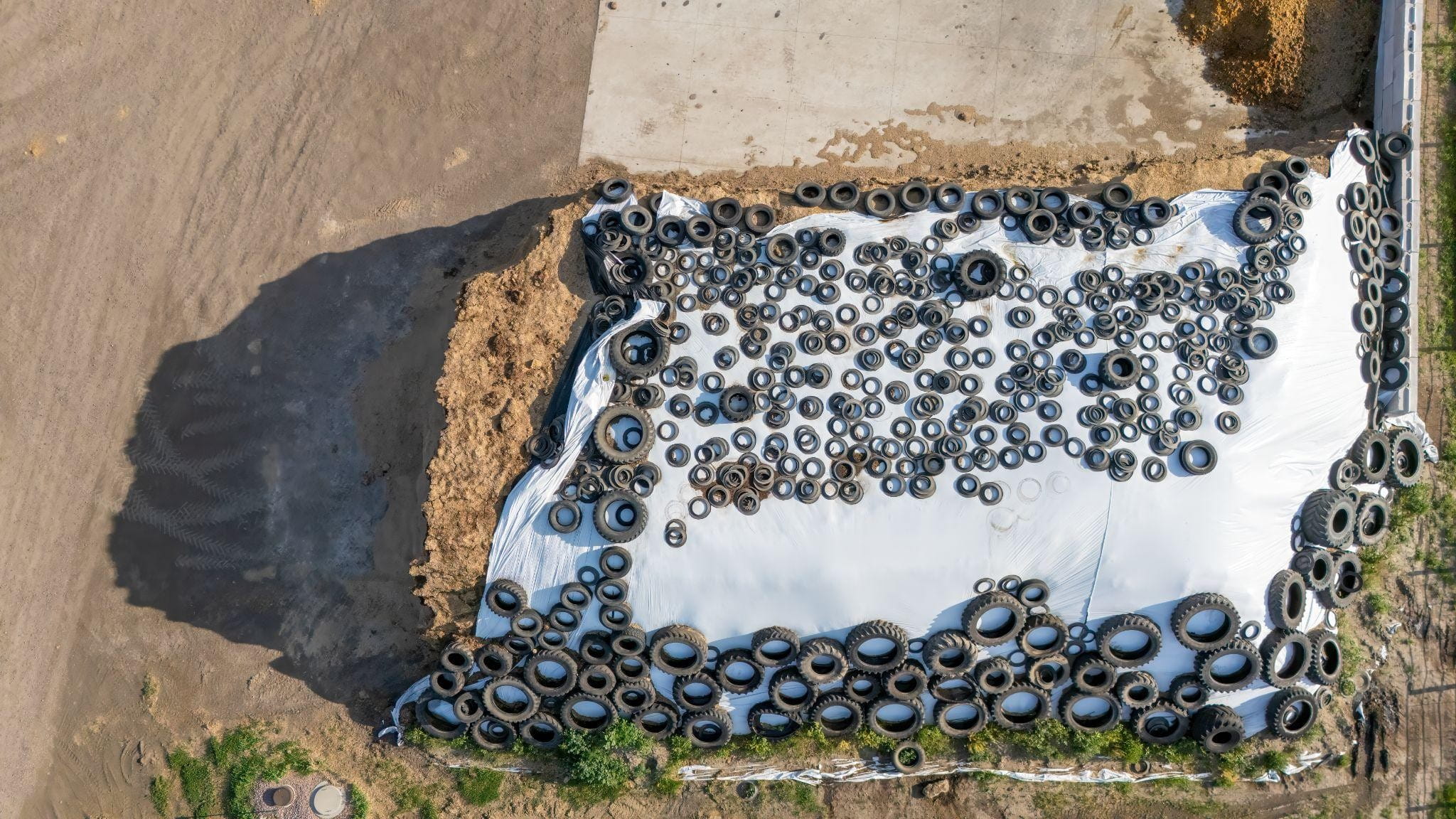
For many Australian farmers, using a silage tarp is easily one of the most important investments they can make. Silage tarping helps protect feed quality, reduce soilage, and minimise costly waste, all of which are critical for productive planting and harvesting seasons.
But not all silage tarps are cut out for Australian farming conditions. Some may begin tearing, break down in the rain, or even lift up after only a few months of use.
The difference usually comes down to three things: tarp quality, installation, and handling. Harsh outdoor conditions, such as UV exposure and poor storage practices, can dramatically shorten a tarp’s lifespan.
Understanding why silage tarps may fail can help you avoid unnecessary replacement costs and protect your crops season after season. Here is everything you need to know about what causes premature silage tarp failure and how to prevent it.
How long should a silage tarp actually last in Australia?
The lifespan of a silage tarp depends heavily on material quality, UV resistance, installation method, and exposure conditions.
In harsh Australian climates, lower-quality tarps may only survive a single season before becoming brittle or tearing. Premium agricultural-grade silage tarps, however, can often last several years when properly secured and stored.
A 1-season tarp vs. a 3-4 season tarp
Cheap, plastic sheets are often designed for short-term use only. These tarps may initially appear cost-effective, but they quickly degrade under prolonged exposure to weather and the sun.
Choosing a higher-quality silage tarp may cost more upfront, but it can significantly reduce replacement frequency and feed spoilage. Rather than hoping your feed stays protected through just one season, farmers can guarantee total coverage for 3, even 4 seasons.
What “3-year UV guarantee” actually means
A true multi-season silage tarp is manufactured from premium materials like X-Film. Tarps made from high-quality materials offer superior UV resistance compared to basic tarps and coverings.
Most UV guarantees are only applicable during normal use; in other words, a silage tarp used for feed coverage is likely to be used 24/7, far outside the “normal use” periods of other tarps. A proper silage tarp will need to be built to withstand the full force of the sun’s exposure for a much longer period of use than other medium-duty tarps.
Of course, Australian UV conditions are among the harshest in the world, so even premium silage tarps require correct installation and maintenance to reach their expected lifespan.
Reasons for Failure — UV Breakdown
The biggest enemy of any silage tarp in Australia is UV radiation and dryness. These conditions are even worse during Aussie summers or in northern territories.
Signs of UV deterioration can include the following:
- Fading colour
- Surface cracking
- Brittle texture
- Frayed edges
- Increased tearing around eyelets and anchor points
Constant exposure to direct sunlight slowly breaks down the tarp’s polymers, causing brittleness, cracking, fading, and, eventually, tearing. Using a purpose-built agricultural tarp with strong UV resistance is critical for long-term performance in Australian farming conditions, regardless of the season.
Reasons for Failure — Wind Abrasion & Lift
Even a strong tarp can fail prematurely if wind constantly causes it to flap or shift. Repeated movement creates friction against bunker walls, silage surfaces, and anchor points, gradually wearing holes into the tarp’s material.
Wind lift also places enormous stress on tarp seams and edges. Once air gets underneath the tarp, tearing can escalate very quickly during storms or high winds.
This can be avoided by securing edges evenly and using sufficient anchoring across the tarp’s surface. Ensuring you properly secure your tarp will keep it from straining in the wind, ultimately extending its service life and better protecting your silage.
Reasons for Failure — Punctures from Above & Below
Silage tarps are regularly at risk of punctures from all angles, above and below. Sharp stalks, uneven surfaces, pointy rocks, and machinery underneath the tarp can create pressure points that weaken the material over time.
Damage can also be caused by foot traffic outside, birds and wildlife, and, of course, inclement weather like hail and high winds. Be sure to inspect the space outside and under the tarp before installing the silage tarp.
Using a thicker, reinforced tarp can greatly improve puncture resistance, and in higher-risk settings, many farmers choose an extra heavy-duty tarp for added durability and longer-term protection.
Reasons for Failure — Bad Storage Between Seasons
High-quality tarps can deteriorate quickly between uses if not stored properly. Folding and storing a dirty tarp traps moisture and encourages mould to grow.
To maximise your silage tarp lifespan, try to do the following:
- Clean off silage residue and debris
- Allow the tarp to dry fully before storing
- Fold carefully without sharp creases
- Store away from direct sunlight
- Keep off rough concrete surfaces
- Protect from rodents and pests
Good tarp storage habits can easily add multiple seasons to the usable life of a silage tarp, so take the extra time to clean and properly store it away between uses.
FAQs
Here are some frequently asked questions we receive about using silage tarps in Australia.
How long do silage tarps last in Australia?
A quality silage tarp can often last between 3 and 4 seasons in Australian conditions if properly installed, secured, and stored. Lower-grade tarps may only last a single season.
Should the black or silver side face up?
In most cases, the silver or reflective side should face upward to reflect sunlight, while the black side faces the silage underneath.
How many sandbags do I need to anchor a silage tarp?
The number of sandbags required depends on your tarp’s size and wind exposure. Sandbags should be evenly spaced across seams, edges, and vulnerable lifting points to prevent movement.
When should I replace my silage tarp?
A tarp should generally be replaced once it becomes brittle, heavily cracked, difficult to secure, or develops repeated tearing that compromises protection.
Can I use a silage tarp for weed control?
You can use a silage tarp for weed control, but for the best results we recommend installing a heavy-duty tarp specifically designed for weed control. Using a dedicated weed-control tarp provides more consistent protection against ground-level weeds.
Protect Your Silage With Tarps Built for Australian Conditions
Not all tarps are designed for agricultural use. Generic plastic sheets may appear similar at first glance, but they often lack the thickness, UV-protection, and reinforcement required for long-term silage protection.
A failed tarp can quickly lead to spoiled feed, higher costs, and unnecessary downtime. Investing in high-quality silage tarps designed for Australian farming conditions helps protect your crops, improve efficiency, and reduce replacement frequency over the long term.
At ARK Tarps, we supply durable, high-quality tarps in Australia designed to withstand demanding agricultural conditions. Explore our agricultural tarps for sale today, including silage covers, weed-control solutions, and heavy-duty waterproof tarps built to handle harsh Australian conditions.
Protect your silage today and every season after!

 No products in the cart.