
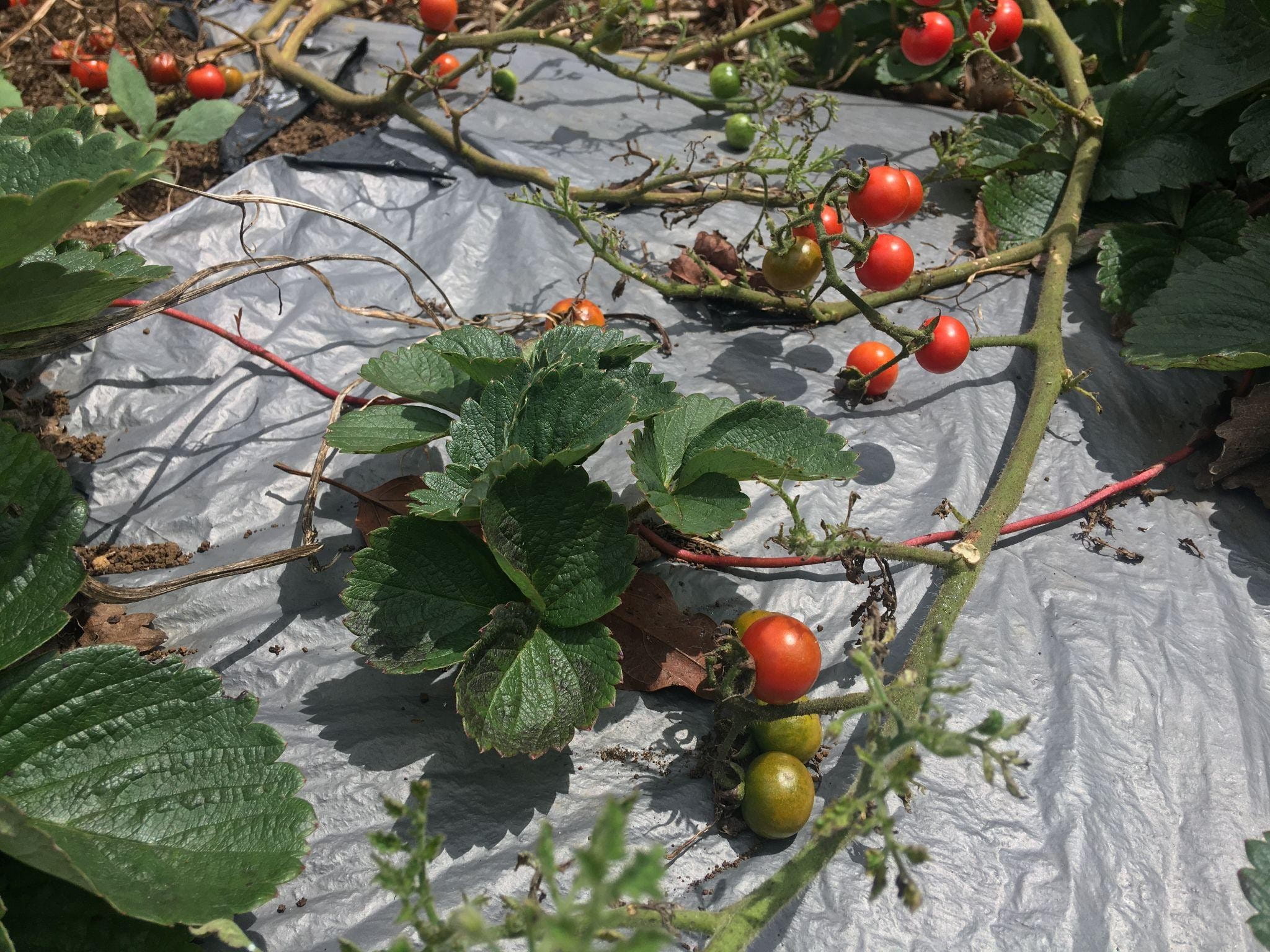
This time of year is the best time for planting and harvesting many of our favourite fruits and vegetables. The early spring months from September through November are ideal for harvesting strawberries and planting tomatoes, so they’re often grown side by side. Growing crops like these in your own backyard garden can be easy and rewarding, but scorching summer days, unexpected frosts, heavy rain, and even hungry pests can make things tricky for any wannabe farmer.
With the right cover, you can protect your garden year-round and grow whatever you like! But which kind of crop cover should you choose? A waterproof tarp, breathable shade cloth, and protective netting each serve a different purpose.
Choosing the right option can protect your plants year-round without blocking essential sunlight or trapping too much heat. Here’s how to use UV-resistant tarps and other covers to protect your crops through changing Australian conditions.
How Can UV-Resistant Tarps Help Protect Crops?
A UV-resistant tarp is designed to withstand exposure to ultraviolet radiation, helping the material resist degradation from sunlight. Depending on the material and how it’s used, a tarp can help protect garden supplies, provide temporary shelter from wind and rain, or cover harvested crops and stored agricultural materials. This is especially important in Australia, where outdoor covers can face intense sun for extended periods.
However, cheaply made tarps are generally less suitable for covering living plants continuously. They can accidentally block out too much essential sunlight and even restrict airflow, potentially causing heat and humidity to build up underneath and cause spoilage. For growing plants, consider the following options:
| Cover type | Best use |
|---|---|
| UV-resistant tarps | Temporary shelter, covering supplies and protecting outdoor equipment. |
| Shade cloth | Reducing direct sunlight while allowing airflow to help manage heat stress. |
| Protective netting | Keeps birds and certain pests away from crops while letting light and air pass through. |
| Frost cloth | Protects delicate plants during cold nights. |
Choosing the Right Cover for Strawberries, Tomatoes and Seedlings
For the best results, try matching the cover to the plant, weather conditions, and stage of growth for optimal results. Different crops require different levels of care, so be sure to take into consideration the whole life of the plant when arranging suitable cover for your fruits and vegetables. From preventing sun and frost damage to keeping out birds and pests, here’s how you can protect some of your favourite garden crops.
Strawberries: Protection from Heat, Rain, and Birds
Strawberries are a fan-favourite fruit, but they can be quite fickle to grow. They need regular exposure to sunlight to grow and produce their fruit, but extreme heat can stress plants and damage exposed berries. Heavy rain and birds can also affect your harvest, too, so a light-coloured or reflective shade cover can help protect against rain and birds while providing heat protection in moderate temperature spikes.
Suspend your cover tarp above the strawberries rather than laying it directly over the foliage, and remove it when the extra shade is no longer needed. Make sure the covering allows adequate ventilation and doesn’t prevent pollinators from reaching flowers when needed. Low tunnels or breathable protective netting can also help shield delicate berries from birds and some weather exposure.
Tomatoes: Managing Summer Heat and Sunscald
Tomatoes love the sunshine just as much as we do, but extreme heat can cause problems, including sunscald on exposed fruit, flower drop, and cracking under certain growing conditions. For ongoing protection, shade cloth is generally the best choice for tomatoes over an opaque garden tarp. A 30% to 50% shade cloth is a common starting point for managing summer heat, although the right shade level depends on your climate, growing conditions, and variety.
White or reflective covers can diffuse sunlight and reduce heat buildup, while darker shade cloth can provide different levels of shade depending on its design. If you use a tarp for temporary protection during a heatwave, position it overhead and leave room for airflow. Remove it when conditions improve so your tomatoes continue receiving the light they need.
Seedlings: Protecting Young Plants from Sun and Frost
Young seedlings are particularly vulnerable to sudden changes in temperature. Strong afternoon sun can dry them out quickly, while frost and harsh winds can damage delicate growth. Lightweight shade screens can help seedlings adjust gradually to outdoor conditions as they mature.
Fine insect mesh and floating row covers can also help protect young plants from certain pests and wind while allowing air and moisture through. For cold nights, horticultural frost cloth is generally more suitable than a heavy tarp placed directly over foliage. If you need to use a tarp for temporary shelter, suspend it above the plants and remove it when it starts blocking essential daylight.
How to Choose a Heavy-Duty Tarpaulin for Gardening
If your tarp will spend extended periods outdoors, consider its material quality and UV resistance carefully. Look for a heavy-duty tarpaulin designed for outdoor exposure, and check its specifications for UV resistance, material strength, and intended use cases. Tarp GSM (grams per square metre) can help you briefly compare material weight, but a higher GSM alone doesn’t guarantee better UV protection or suitability for plants.
Our range of ARK Tarps heavy-duty tarps includes options for outdoor covering and protection tasks. For agricultural storage, our hay tarps are another option to explore.
Bungee cords with hooks can help you secure your covers against strong winds when attached to stable anchor points and tensioned appropriately.
Can You Use a Tarp for Frost Protection and Weed Control?
Tarps can be useful in the garden all year long, but frost protection and weed suppression require different approaches. For frost-prone gardens, use a purpose-made frost cloth when possible. A standard tarp may provide temporary shelter from wind and precipitation, but it isn’t a substitute for suitable frost protection.
For weed management, a purpose-made weed control tarp can block sunlight and suppress unwanted growth in garden beds. Keep weed control covers separate from actively growing vegetables. They’re designed to suppress plant growth, rather than provide shade for crops.
Remember, tarps for gardening aren’t one-size-fits-all: use shade cloth for ongoing plant shade, protective netting for pest management, frost cloth for cold nights, and UV-resistant tarps for suitable temporary covering jobs. At ARK Tarps, we supply dedicated weed control tarps for this specific purpose. You can also read our guide to simple weed control for more tips and tricks.
FAQs
Can you leave a tarp over plants during the day?
Try to avoid leaving an opaque tarp directly over your living plants during the day. It can block sunlight and restrict airflow. If you need temporary shade, suspend the tarp above the plants and remove it when conditions improve.
What is the best tarp for protecting tomatoes from the sun?
A shade cloth is generally better for ongoing tomato protection because it allows light and air through. A reflective tarp may provide temporary overhead shade during extreme heat, provided the plants still receive enough sunlight.
Do strawberries need UV protection in Australia?
Strawberries need sunlight to grow, but excessive heat can stress plants and damage exposed fruit. Temporary shade during extreme heat and protective netting against birds can help manage these risks.
How do you protect seedlings from frost and heat with a tarp?
Suspend a tarp over a frame for temporary shelter, keeping it clear of the foliage. Remove it if it blocks daylight, and use purpose-made shade cloth or frost cloth for more targeted protection.
Is a tarp or shade cloth better for garden plants?
Shade cloths are usually better for ongoing plant protection because they allow light and air to pass through. Tarps are better for temporary shelter, covering supplies, and protecting equipment.
Find the Right Tarp for Your Garden
Protecting your crops year-round starts with choosing the right cover for the job. From managing summer heat to protecting garden supplies from the elements, the right tarp can make outdoor maintenance and growing crops much easier. Whether you’re looking after a backyard vegetable patch or managing a larger property, ARK Tarps has got you covered.
So how does your garden grow? With a tarp from ARK Tarps, it grows exactly how you want it to! Explore our range of tarps for sale to find a durable, practical option for your next gardening or agricultural project.


 No products in the cart.